J-Pop-043: 70’s Soft Rock
The term “J-Pop” did not exist prior to 1989. From 1975 to the 1980s, it was called “New Music.” Before 1975, the music was simply called by its genre name, such as “rock” or “folk.”
In this post, I will introduce a playlist of “soft rock” songs. Many of the songs from that time convey the atmosphere and people’s exuberance of the period when Japan was enjoying high economic growth, as exemplified by the 1970 World Exposition in Osaka.
Definition of Soft Rock in Japan
In Japan, “soft rock” is defined differently than the genre of the same name that emerged in Southern California and England in the late 1960s.
In Japan, the term refers to feel-good pop music influenced by the Beatles. This music breaks away from the monotonous chord progressions and melodies of oldies music. Instead, it emphasizes sophisticated melodies, rich harmonies, and lavish orchestration.
Based on this definition, I’d place the era of soft rock between the mid-1960s and early 1970s, before the emergence of new music.
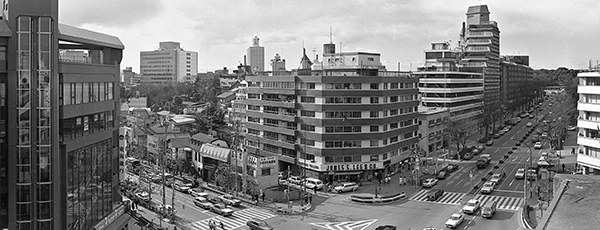
Message songs in the 70s
The songs that resonated with young people during this period feature distinctive lyrics that reflect a heightened awareness of social issues compared to other eras. While many tracks explore the joys and challenges of love, there is also a notable presence of songs with direct social messages—expressing hopes for world peace, environmental appreciation, and broader societal concerns.

I believe that after the 1980s, songs with such messages lost support and declined in popularity. The songs of the 1970s reflect the feelings of a generation of young people who, having grown up in a society that had completed its postwar recovery by August 1945, were finally free from various constraints. It was also a turning point—a moment when young people’s dreams for the future began to shift from collective hopes for society to more individual aspirations, as material wealth became increasingly accessible.
“SOFT ROCK DRIVIN'” and “Kissa Rock” series
For those of us exploring soft rock from around 1965 to 1975, the compilation album series SOFT ROCK DRIVIN’, released in 1996, is indispensable. This series was a collaborative project between ten Japanese music labels, each contributing a selection of soft rock tracks from their catalogues.
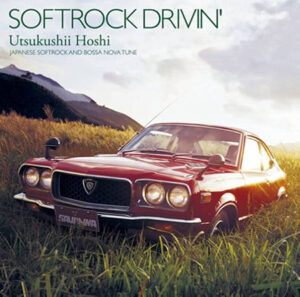
With main series, sequels, and spin-offs, it’s difficult to find accurate information, but there are probably ten titles released in total. As of June 2025, only “SOFT ROCK DRIVIN’ – Utsukushii Hoshi (SONY / Alfa)” is available on Spotify and Apple Music. I will mention this “SOFT ROCK DRIVIN’” series in detail in another post.
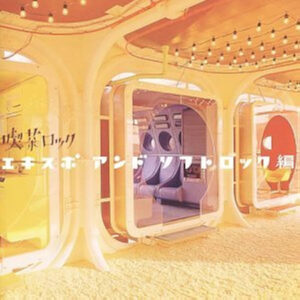
Additionally, the compilation album Kissa Rock Expo – Soft Rock Edition (released in June 2002) is essential for recreating the following playlist. While it isn’t available on streaming services, used CD copies can still be found—though it’s unclear whether international shipping is offered.
Original Playlist J-Pop-043: 70’s Soft Rock
- (N/A) Rokumonsen/Micky Yoshino/ Akira Ishikawa group – Exop’70 Toshiba-IHI pavillion (1970)
- (N/A) The Kahlúa – Asahi No Scat from The Kahlúa First (1971)
- (N/A) The Three – Atarasii Ashita from Atarashii Ashita (1971)*available on YouTube
- (N/A) Now – Hey! from Hey! (1971/10)
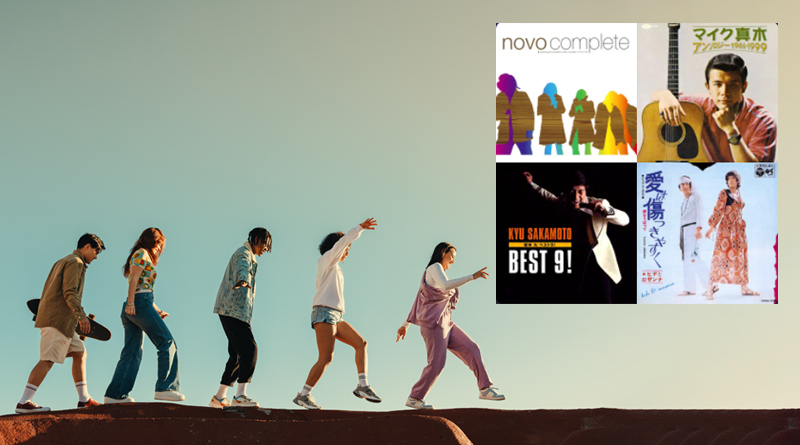
- Novo – Shiroi Mori from Shiroi Mori (1973)
- (N/A) Peace City – Bara No Hanano Anatani from Jiyutori No Gogo (1971)
- (N/A) The Characters – Love Sounds from Sayonara (1972)*available on YouTube
- Mike Maki – Soraniwa Namaeganai from Soraniwa Namaeganai (1971)
- Kyu Sakamoto – Exop’70 Sekaino Kunikara Kon-nichiwa (1970)
- Hide To Rosanna – Aino Kiseki from Aino Kiseki (1968)
- Pedro & Capricious – Wakareno Asa from Wakareno Asa (1971)
- (N/A) Otoko To Onna – Aiwa Doke-Shibai from Lost Love (1971)
- Seri Ishikawa – Murano Musumede Itakatta from Pparsley To Nonohana (1972/11)
14.(N/A) Village Singers – Amairo No Kamino Otome from Amairo No Kamino Otome (1968/02)
substitute : Hitomi Shimatani (2002/05) - Higurashi – Inishie from Inishie (1977)
- Akai Tori – Kami Fusen from Party (1972/07)
- (N/A) Yoko Ono – Josei Joi Banzai from Josei Joi Banzai (1973)
substitute : Kyoko Koizumi (1993/11) - (N/A) Young Town Singers – Fusen Ryokou (1971)
- Toi et Moi – Chikyu Wa Mawaruyo from UTOPIA (1971/06)
- (N/A) K & Brunnen – Chikyu No Yoake (1970)
- Ryoko Moriyama – Utsukushii Hoshi from “Sayonara” No Sekai (1972)
- Tsunehiko Kamijo & Rokumonsen – Tabidachi No Uta (1972)
For Apple Music User : J-Pop-043: 70’s Soft Rock