
J-Pop – 066: The First Fusion Boom in Japan
The genre known as “fusion” has its roots in jazz, but also incorporates elements from rock, Latin, and classical music. Japan’s first fusion boom occurred in the late 1970s and early 1980s.
Throughout J-Pop’s history, fusion has frequently intertwined with genres like city pop and rock. In this post, I’ll be showcasing a playlist of standout Japanese fusion tracks from the 1980s—a selection I originally curated back in 2002.
Thrilling and speedy music
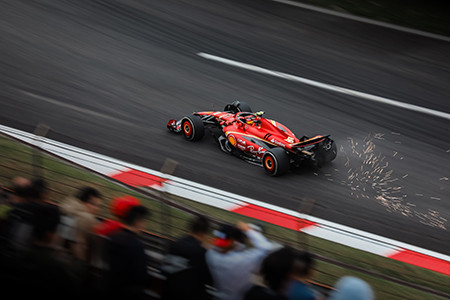
Let’s begin with Formula 1, the pinnacle of motorsports. The 1980s are often regarded as the golden age of Formula 1, a time when many legendary drivers rose to prominence. Among them were Ayrton Senna, known in Japan as the “Sonic Nobleman”; Alain Prost, nicknamed “The Professor”; Nigel Mansell, famous for his aggressive driving style; and Nelson Piquet, who delivered Honda its first drivers’ championship.
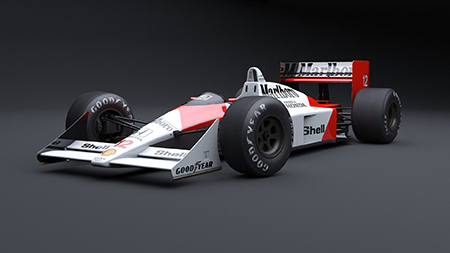
Without any script, these four drivers delivered pure drama on the circuit weekend after weekend. When this intensity was broadcast live on Japanese television, fans were swept up in the emotion—heightened by T-Square’s iconic track ‘Truth,’ which served as the show’s theme song.
In my view, the thrilling speed and intensity of Formula 1 mirrors the common image of fusion music in Japan during this era.
Naturally, there was also mellow fusion music—quite the opposite in tone. Yet I believe the fusion of that era helped shape one of the most iconic cultural snapshots of its time, harmonizing perfectly with the nation’s optimistic spirit during its period of explosive economic growth.
Various collaborations
Fusion musicians, known for their exceptional performance skills, frequently collaborated with J-Pop artists during this period. A notable example is the collaboration between T-Square and Yuming (Yumi Arai / Yumi Matsutoya).
In the early 1980s, T-Square frequently performed as Yuming’s backing band during live concerts. I had the chance to attend one of those shows and felt incredibly fortunate to witness two top artists sharing the stage.
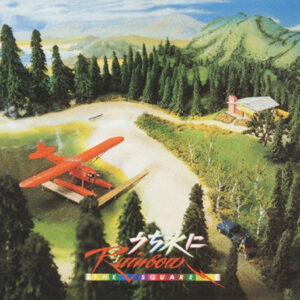
Additionally, Yuming served as the overall coordinator for T-Square’s seventh album, Uchimizu Ni Rainbow, which was released in May 1983.