
JPop-018: The First Rise of J-Pop and Karaoke
J-Pop experienced its first major surge in popularity, artistic activity, and commercial success after being labeled as such in 1989, reaching a peak in the late 1990s. This is a playlist I put together a few years before that peak.
J-Pop became popular around that time for several reasons, including the band boom, tie-ups with TV stations, and the decline of old popular songs (Kayo-Kyoku). However, this post focuses on Karaoke.
J-Pop to not only listen to, but also sing along with
Karaoke, or the enjoyment of singing as well as listening, was dramatically enhanced by the technological innovations in information and communication in the 1990s.
Karaoke in the 70s reminds me of scenes of drunken middle-aged men singing Enka (a type of old popular song). In the 1980s, laser discs allowed us to sing while watching videos, and we could choose songs by New Music (J-Pop at that time) artists such as Yuming and Southern All Stars, etc.
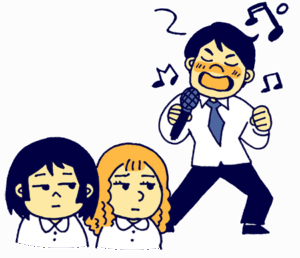
Then, in the 1990s, data-linked karaoke systems emerged. These eliminated the delays associated with producing and distributing physical media like CDs and laserdiscs, making it possible to sing the latest hits at karaoke in real time.
Until the 1980s, karaoke was typically enjoyed in bars shared with other patrons. In other words, you often had to sit through songs you didn’t like, sung by people you didn’t know.

Thanks to the introduction of private rooms known as karaoke boxes, you can now enjoy singing karaoke exclusively with friends and choose only the songs you like. This shift was likely made possible by the adoption of data-linked systems, which reduced the initial investment required for venue operators.
Do songs with higher keys become hits?
I’ve often seen Tetsuya Komuro on TV—one of the most influential producers of 1990s hit songs—emphasize that a high vocal key is one of the key factors behind a song’s success. In this playlist, both “Don’t Wanna Cry” by Namie Amuro and “Love & Peace Forever” by TRF were produced by Komuro.
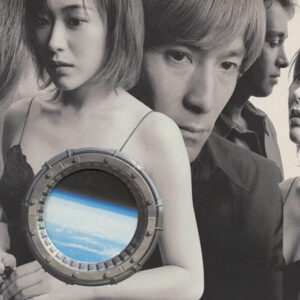
Singing high-key songs well at karaoke requires both skill and creativity. Taking on challenging songs and earning praise from friends is part of the fun, and I believe this was an essential element of J-Pop hits during that era. From a karaoke perspective alone, Komuro’s argument seems entirely valid to me.
I will mention, in another post, reasons why J-Pop became popular in the late 90’s, in addition to Karaoke.
Note: Songs performed solely by Namie Amuro are not available on Spotify or Apple Music. For “Don’t Wanna Cry,” I’ve included a cover by Miliyah Kato in the playlist instead.